
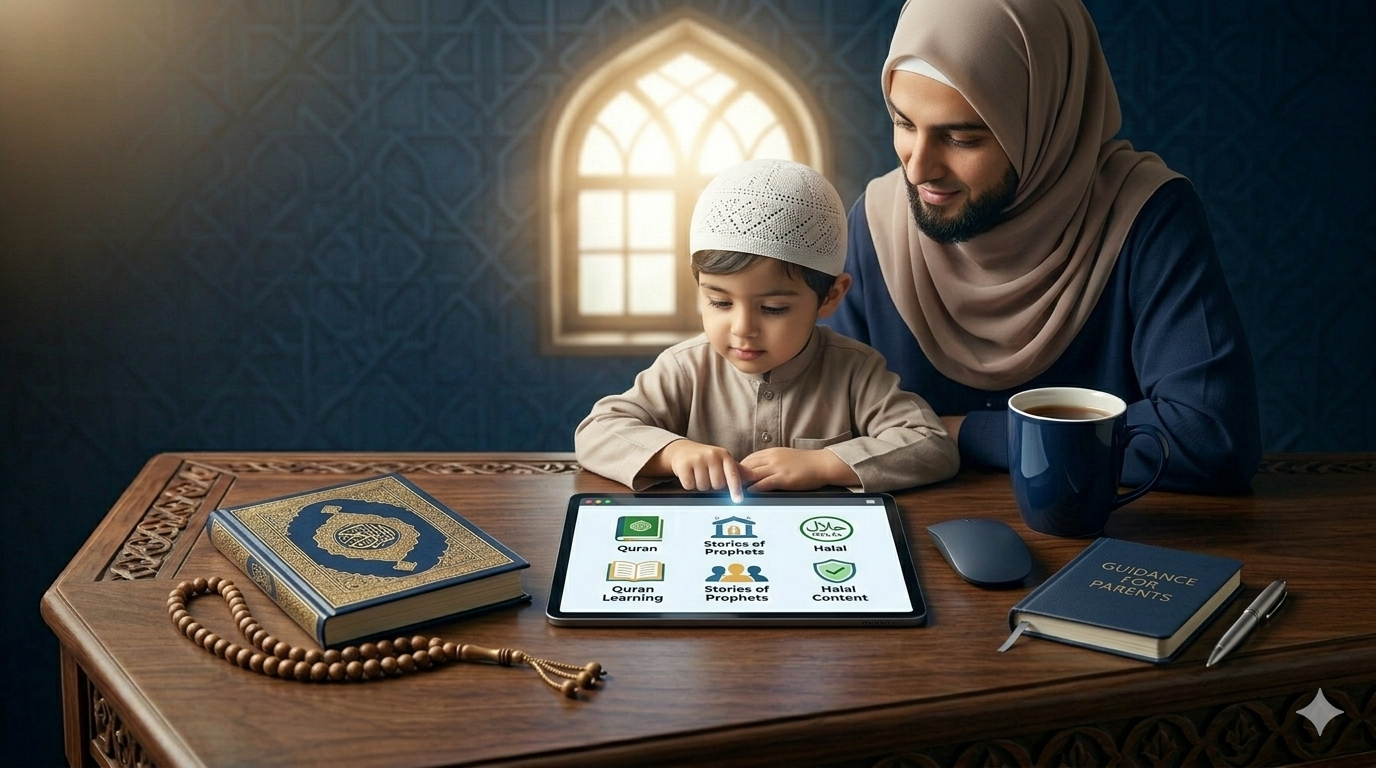
Raising Children in the Digital Age: Essential Tips and Strategies for Muslim Parents
As we navigate through 2026, the digital landscape has become an inseparable part of our daily lives. For Muslim parents, this era presents a unique set of challenges and opportunities. While the internet offers vast knowledge and connectivity, it also exposes children to content and ideologies that may contradict Islamic values. Raising children with a strong moral compass while allowing them to benefit from technology requires a balanced, proactive, and compassionate approach. This extensive guide provides essential strategies to help Muslim parents raise God-conscious, resilient, and tech-savvy children in this complex digital age.
1. Establishing the Foundation of Taqwa
The most powerful tool a child can have in the digital age is “Taqwa” (consciousness of Allah). Instead of relying solely on physical filters and software, parents must instill the understanding that Allah (SWT) is “Al-Baseer” (The All-Seeing). When a child understands that their private actions are known to their Creator, they develop an internal filter that is far more effective than any parental control software.
Teaching the Concept of ‘Amanah’
Technology is an “Amanah” (a trust) from Allah. Parents should teach children that their time, their eyes, and their ears are gifts that should be used in ways that please the Giver. Open discussions about the purpose of technology—using it for learning, connecting with family, and spreading goodness—help children view their devices as tools for spiritual and intellectual growth rather than just sources of mindless entertainment.
2. Being a Digital Role Model
Children learn more from what parents do than what they say. If a parent is constantly scrolling through social media during family time or during the “Adhan,” children will perceive this as acceptable behavior. Muslim parents must demonstrate “Digital Zahd” (asceticism)—the ability to detach from screens and prioritize human connection and worship. Show them that the Quran and Salah take precedence over notifications.
- Tech-Free Zones: Keep the dining table and bedrooms free from screens to encourage conversation and better sleep.
- Sacred Times: Establish a rule that all devices are put away 15 minutes before and after Salah.
- Open Door Policy: Encourage children to use devices in common areas rather than behind closed doors.
3. Navigating Social Media and Identity
Social media often promotes a culture of “Riya” (showing off) and “Hasad” (jealousy), which can be damaging to a child’s spiritual health. It is crucial to have honest conversations about the “filtered” reality of the internet. Teach children that their worth is defined by their character (Akhlaq) and their relationship with Allah, not by likes, followers, or viral trends.
Encouraging Ethical Digital Citizenship
Islam emphasizes “Husn al-Khuluq” (good character) in every interaction. Parents should teach children that the rules of Islamic etiquette apply online just as they do offline. This includes avoiding backbiting (Gheebah), refrain from spreading unverified information, and maintaining modesty in speech and appearance in digital spaces.
4. The Importance of Tech-Life Balance
Excessive screen time is linked to decreased attention spans, physical health issues, and social anxiety. Muslim parents should encourage physical activities that the Prophet (PBUH) recommended, such as swimming, archery, or even simple outdoor play. This physical engagement helps children stay grounded in the real world and reduces the dopamine-driven addiction to digital devices.
5. Utilizing Technology for Deen and Education
The digital age isn’t all negative; it provides unprecedented access to Islamic knowledge. From apps that help with Quran memorization to virtual tours of Makkah and Madinah, technology can be a beautiful bridge to the Deen. Parents should actively curate a “Digital Halal Library” for their children, introducing them to high-quality Islamic content creators, educational games, and podcasts that reinforce their identity.
- Co-viewing: Watch Islamic documentaries or educational videos together to facilitate discussion.
- Quran Apps: Use interactive apps to make learning Tajweed fun and engaging.
- Critical Thinking: Teach children to question what they see online and compare it with the teachings of the Quran and Sunnah.
6. Dealing with Mistakes with Hikmah (Wisdom)
In the digital world, mistakes are almost inevitable. A child might accidentally click on a harmful link or encounter inappropriate content. Instead of reacting with extreme anger, which might lead the child to hide their future actions, parents should react with “Hikmah.” Create a “safe space” where the child feels comfortable admitting their mistakes. Use these moments as teaching opportunities to discuss the dangers and how to seek “Istighfar” (forgiveness) and move forward.
Conclusion: Trust and Dua
Ultimately, after taking all the necessary steps and setting boundaries, the most important tool in a parent’s arsenal is “Dua.” The digital age is vast, but Allah’s protection is vaster. Continually ask Allah to protect your children’s hearts, minds, and modesty. Trust the values you have instilled in them and maintain a relationship of love and open communication. By combining practical strategies with spiritual reliance, we can raise a generation that uses technology to serve Allah and benefit humanity.