Introduction: A Ship, Ten Lives, and an Unsolved Enigma
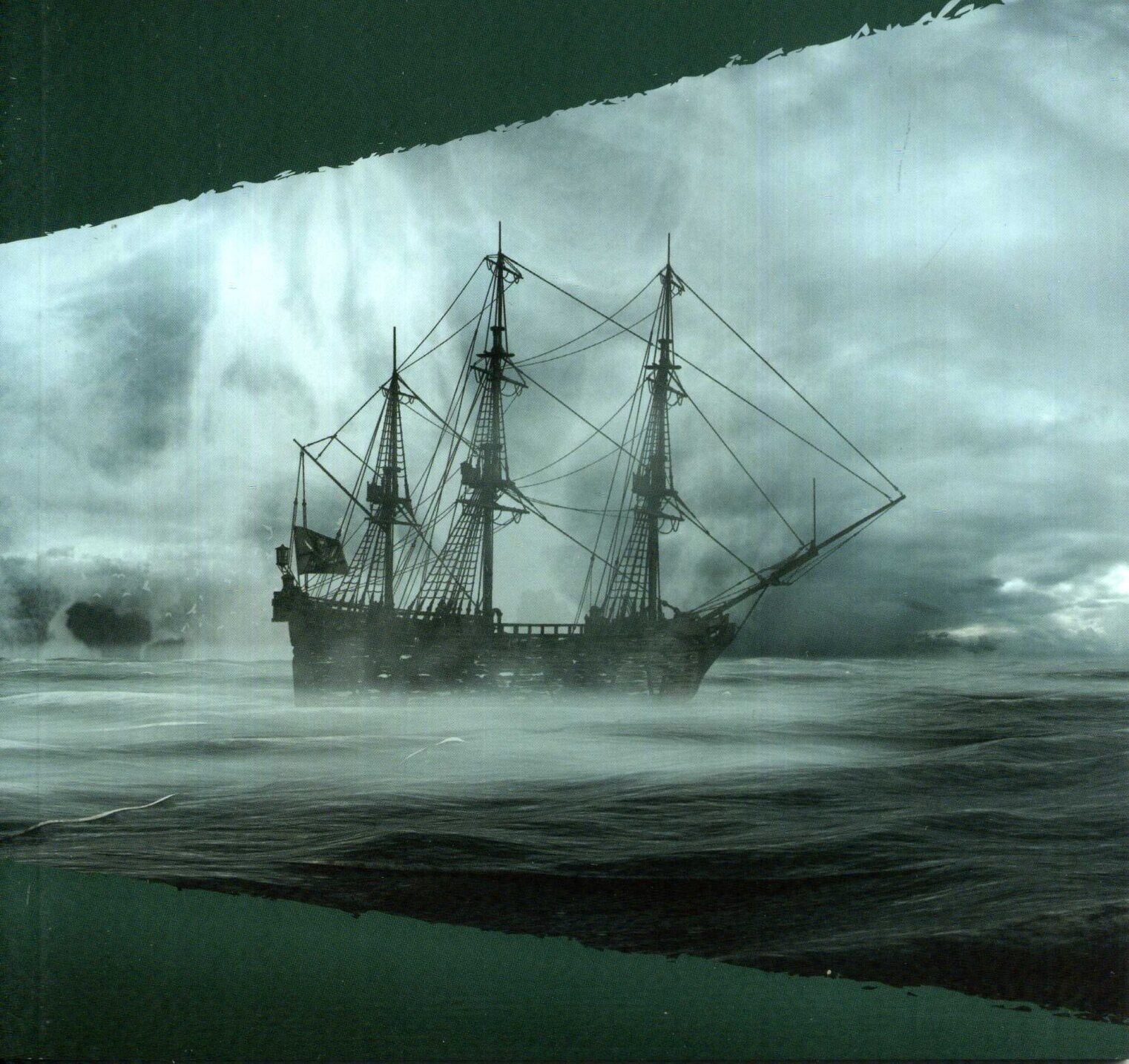
On December 4, 1872, an eerie sight unfolded in the Atlantic Ocean. The crew of the British brigantine Dei Gratia spotted another vessel drifting aimlessly. Upon boarding to inspect, they encountered a situation that birthed maritime history’s greatest enduring mystery: the Mary Celeste was completely deserted—devoid of crew, passengers, or any living soul.
All ten individuals aboard—Captain Benjamin Briggs, his wife Sarah, their two-year-old daughter Sophia, and seven crew members—had vanished without a trace. The vessel was in seaworthy condition, the cargo remained intact, ample provisions were stocked, and personal belongings were left behind—with the sole exception of a single missing lifeboat.
Over 150 years later, the mystery remains unresolved. Hundreds of hypotheses have been proposed—ranging from sea monsters and extraterrestrial abductions to alcohol vapor explosions and insurance fraud. This article examines the final voyage of the Mary Celeste, its discovery, and the primary theories formulated to explain its abandonment.
The Final Voyage of the Mary Celeste
The Mary Celeste was an American merchant brigantine that departed New York for Genoa, Italy, on November 7, 1872. The cargo consisted of approximately 1,700 barrels of industrial alcohol (ethanol).
Captain Benjamin Briggs was an experienced and respected mariner known for his capable leadership. Accompanying him on the voyage were his wife and daughter. The crew comprised seven experienced sailors, including First Mate Albert Richardson, a longtime friend of Briggs.
The vessel encountered rough weather during the transatlantic passage. The final entry in the ship’s log slate was recorded on the morning of November 25, near the Azores. Ten days passed with no further communication until the crew of the Dei Gratia sighted the vessel drifting on December 4.
The Scene of Discovery: What Was Found Onboard?
When Oliver Deveau, First Mate of the Dei Gratia, boarded the Mary Celeste alongside seaman John Wright, they documented a puzzling scene:
Condition of the Vessel:
- One of the ship’s pumps was partially disassembled, with a sounding rod (used to measure bilge water levels) left nearby on the deck.
- The forward and main cargo hatches were open, with their covers lying unfastened on the deck.
- Approximately 3.5 feet of water had accumulated in the hold—a manageable amount for a vessel of its size, not indicating critical flooding.
- The sails were partially set, with some rigging showing minor damage from weather exposure.
Evidence of the Crew and Passengers:
- All personal belongings and foul-weather gear remained in the crew quarters.
- Six months’ worth of fresh food and water provisions remained onboard.
- Galley equipment and cooking utensils were organized in place.
- The ship’s single lifeboat was missing.
- The ship’s papers and the captain’s primary navigational instruments were absent.
- An ornamental sword was found in the captain’s cabin, showing no traces of blood or violence.
- The log slate remained in the cabin, containing the final entry dated November 25.
The physical evidence indicated an orderly evacuation—the crew had voluntarily departed the vessel without signs of struggle or piracy. However, key questions remained: why was the ship abandoned, and what became of the crew after boarding the lifeboat?
Hypotheses and Explanations
Over the past century and a half, numerous theories have been advanced to explain the abandonment of the Mary Celeste. These range from plausible scientific models to unfounded speculations.
Alcohol Vapor Pressure and Explosion: The Leading Theory
The most widely accepted scientific explanation centers on an alcohol vapor explosion or pressure release. The vessel was carrying 1,700 barrels of concentrated industrial alcohol. Subsequent inspections in Gibraltar revealed that nine barrels were empty, accounting for a leakage of roughly 300 gallons of ethanol.
Mechanism of the Event:
- As the vessel transitioned from cold weather in New York to warmer Atlantic temperatures, thermal expansion caused ethanol leakage and vapor buildup within the sealed hold.
- Friction or a small spark could have ignited the concentrated vapors trapped inside the hold.
- A sudden pressure blowback or flash explosion blew off the main hatch covers without causing structural fire damage to the timber hull.
Experimental Validations:
In 2006, Dr. Andrea Sella of University College London conducted combustion experiments simulating the conditions in the Mary Celeste’s hold using butane gas. The simulation demonstrated that a gas explosion can produce a sudden pressure wave and flash flame capable of blowing open hatch covers without leaving charred scorch marks on wooden structures.
In 2026, researchers at the University of Manchester re-evaluated this dynamic using a 1:18 scale model of the hold. By simulating temperature variations between New York and the Azores, they confirmed that heated ethanol vapors could generate a pressure wave sufficient to blow the hatches open with a blue flash flame while leaving no residual fire damage.
Reconstructed Scenario:
Fearing an imminent catastrophic explosion or fire, Captain Briggs ordered an immediate temporary evacuation. The crew deployed the lifeboat, tethering it to the main vessel via a towline while monitoring the hold. Subsequently, either the towline parted during a sudden weather change or the tether slipped, leaving the small lifeboat stranded in open waters while the unmanned brigantine drifted away.
Alternative Hypotheses
Salvage Fraud and Conspiracy:
During the Admiralty court proceedings in Gibraltar, Attorney General Frederick Solly-Flood initially suspected foul play, proposing that the crew of the Dei Gratia staged the abandonment to claim salvage rewards. However, extensive investigations yielded no evidence of foul play, and the court awarded salvage rights in February 1873.
Mutiny:
Solly-Flood also investigated the possibility of a crew mutiny. However, the physical evidence showed no signs of violence onboard, and Captain Briggs maintained an excellent reputation among mariners and crew members.
Sea Monsters or Paranormal Events:
Sensationalized accounts in nineteenth-century media suggested attacks by giant cephalopods or mysterious phenomena. These claims lack empirical backing and remain purely fictional.
Ergot Poisoning:
A niche hypothesis suggested that the crew consumed grain contaminated with ergot fungus, leading to hallucinations and panicked abandonment. However, the crew of the Dei Gratia subsequently consumed the provisions onboard without ill effect.
The Literary Influence of Arthur Conan Doyle
Public fascination with the mystery was significantly amplified by Sir Arthur Conan Doyle (creator of Sherlock Holmes). In 1884, Doyle published a fictional short story titled “J. Habakuk Jephson’s Statement,” presented as a survivor’s account. The story introduced several fictional elements—including misspelling the ship’s name as “Marie Celeste,” a misspelling that persists in popular culture today.
Later History of the Mary Celeste
Following its recovery in 1872, the Mary Celeste remained in service for over a decade, though it acquired a reputation as an unlucky vessel among mariners.
- Released from Gibraltar in 1873, the ship completed its voyage to Genoa to deliver the remaining cargo.
- Over the next twelve years, the vessel changed ownership multiple times, suffering operational accidents, structural fires, and financial losses.
- In 1885, its final owner and captain, Gilman C. Parker, intentionally ran the vessel onto Rochelais Reef off the coast of Haiti in an attempted insurance fraud. The fraud was uncovered, and Parker was prosecuted.
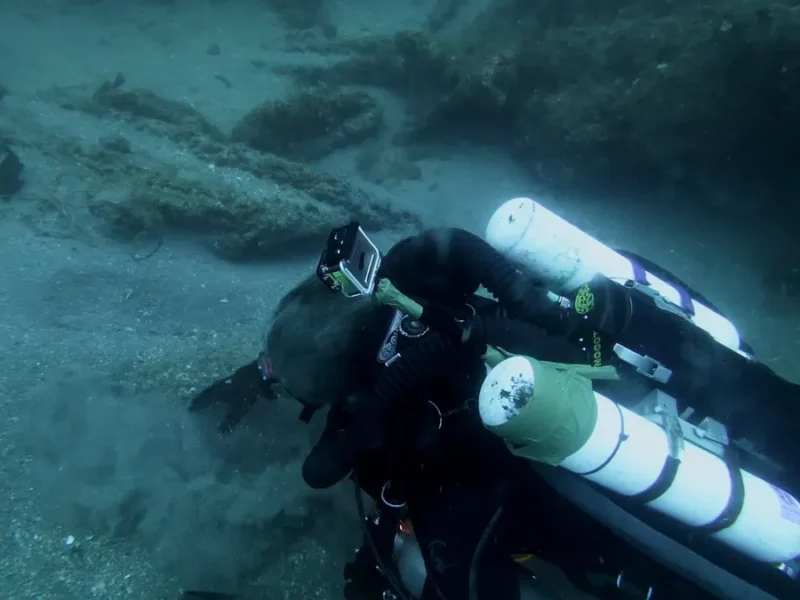
In 2001, an expedition led by author and marine explorer Clive Cussler located the submerged wreckage of the Mary Celeste off the coast of Haiti beneath layers of coral growth.
Conclusion: An Enduring Maritime Legend
The abandonment of the Mary Celeste remains one of maritime history’s most studied mysteries. While the alcohol vapor explosion hypothesis provides a scientifically plausible explanation, unanswered questions remain regarding the precise sequence of events that led the crew to leave the vessel.
The story of the Mary Celeste continues to serve as an enduring symbol of maritime mystery, capturing public imagination for over a century and a half.
As maritime historians often note, the name Mary Celeste has become synonymous with unexplained abandonments, remaining a prominent chapter in naval history.