Quantum Sensors: The New Star of Medicine and the Future of Human Health
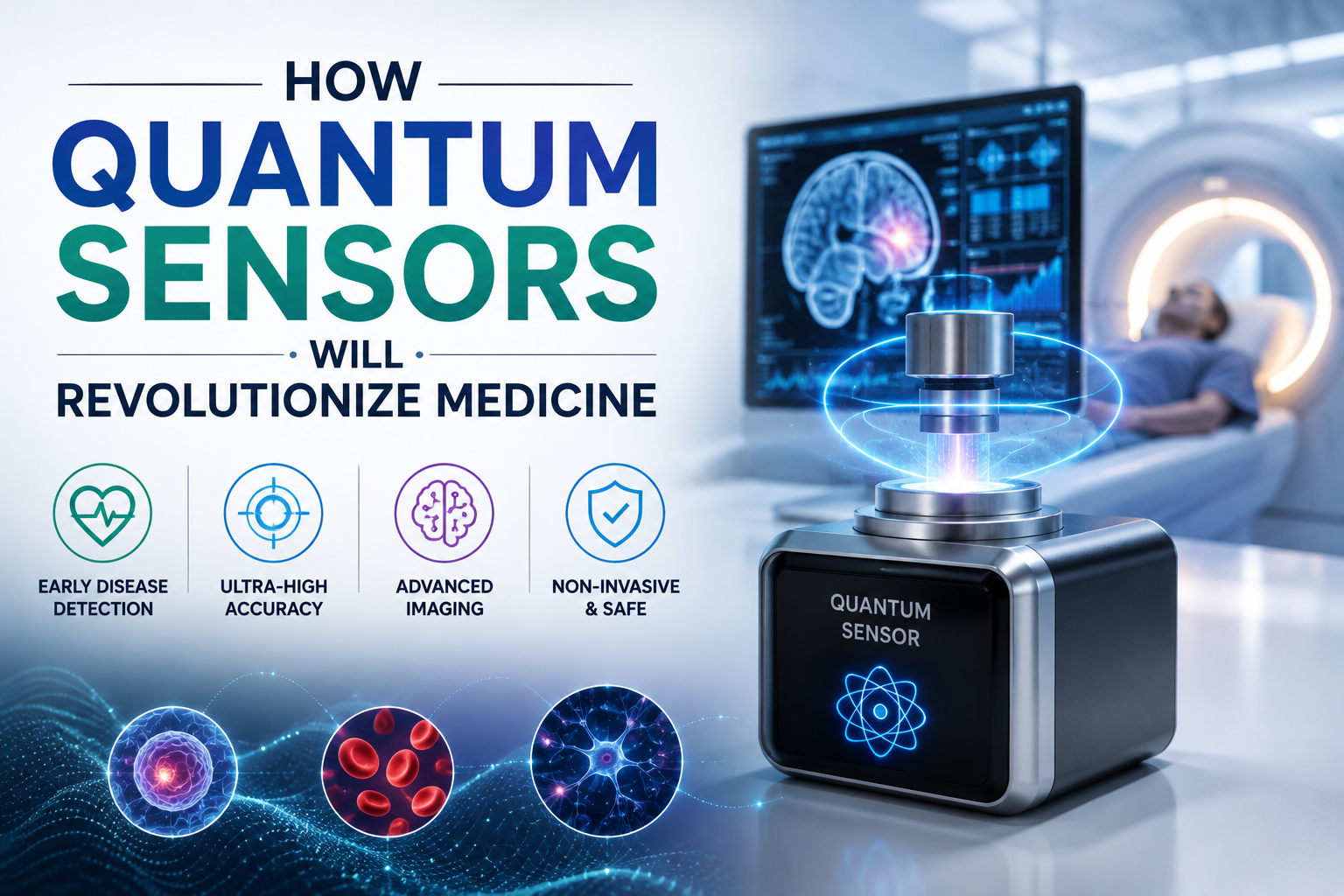
A revolutionary technology capable of changing the essence of diagnosis and treatment in the medical field is now emerging from behind the veil of secrecy. Quantum sensors, which harness phenomena occurring at the extreme subatomic level of matter, are the major breakthrough that possesses the potential to shatter the limits of conventional medical equipment. Modern research reveals that these devices, which can sense even the subtle magnetic fields, minute temperature shifts, and chemical activities inside a cell, are ushering in a new era in the diagnosis, treatment, and monitoring methods of diseases. The rapid pace seen in this field over the past two years demonstrates that quantum sensors are no longer merely a scientific curiosity, but have become a reality that can transform the lives of millions of patients.
One of the most important inventions in the field of quantum sensing is Fluorescent Nanodiamonds (FNDs). These ultra-small diamond particles, enriched with artificial defects known as “Nitrogen-Vacancy (NV) centers,” are unique detectives that can penetrate living cells to map their internal world. The specialty of FNDs is that when light falls on them, they emit a specific glow, and this glow alters in response to slight changes in the surrounding environment—such as temperature, magnetic fields, or electric fields. In this way, scientists can measure temperature within a single cell, monitor its metabolic activity, and even observe the movements of proteins and other molecules inside the cell, which was never possible before. The biggest advantage of this technology is that it does not cause any harm to the cell; therefore, doctors can observe living cells over extended periods and understand how cancer cells spread, how neurons communicate with each other, and whether a drug is truly reaching its intended target.
The brain, which is the most complex organ of our body, could be the field that benefits most from quantum sensors. Traditional brain scanning techniques like MRI are heavy, expensive, and often limited. In contrast, quantum sensors called Optically Pumped Magnetometers (OPMs) can record the extremely weak magnetic signals generated by brain neurons without any discomfort and with astonishing precision. A recent study has proven that these OPMs provide up to a 200% better signal-to-noise ratio compared to traditional Electroencephalography (EEG) and Magnetoencephalography (MEG). This means that we can now see the electrical activity in the deep layers of the brain much more clearly than ever before. As a result of this technology, early diagnosis of diseases like Alzheimer’s and Parkinson’s will become possible, accurate localization of epileptic seizures can be achieved, and it will aid in understanding the neurobiological foundations of psychiatric disorders such as depression and schizophrenia.
Traditional MEG devices require heavy sensors cooled with liquid helium to operate, making these machines cost millions of dollars and causing them to be found only in major universities and hospitals. In contrast, OPMs can operate at room temperature and can be designed in the form of a lightweight helmet, which patients can wear while sitting and even moving around during the process. This means that in the near future, getting a brain scan in an ordinary clinic will become possible, and vulnerable patients such as children or the elderly can be examined without any fear or discomfort. These portable devices will be a gift, especially for countries where advanced medical facilities are not readily available.
Quantum sensors are bringing about a revolution not only at the organ level but also at the molecular level. Researchers have developed a new platform, the Quantum-Enabled Microfiltration Immunoassay (QEMFIA), which can hunt down disease signs (biomarkers) present in extremely minute quantities. This technology can discover inflammatory markers present in a blood sample in far less time and with minimal steps compared to traditional methods. The secret to this precision lies in the spin properties of FNDs, using which background noise is eliminated and only relevant signals are amplified and displayed up to a thousand times. This means that we will now be able to diagnose cancer, heart disease, and other serious illnesses months before their symptoms even appear, allowing the patient’s treatment to be conducted much more effectively.
In another study, scientists discovered a method to determine the quantity of three different types of microRNA (miRNA) in a single test, which is a revolutionary step for early cancer detection. MicroRNAs are small molecules that regulate cell genes, and their quantities become abnormal in cancer cells. With the help of quantum sensors, doctors can measure the amounts of these molecules simultaneously in a small blood sample and determine what type of cancer risk a patient faces, even when the tumor has just begun to form. Furthermore, using quantum sensors, doctors can also monitor how a administered cancer drug is affecting the patient’s body, and if the drug is not working, it can be replaced immediately.
The use of quantum sensors is not limited to diagnosis alone. Next-generation hybrid quantum systems, which utilize advanced techniques like “frequency-dependent squeezing,” can not only improve the resolution of MRI imaging but also assist in the timely identification of neurodegenerative diseases. Additionally, scientists in Germany have invented a Nuclear Spin Microscope that uses quantum sensors to image extremely tiny structures at the single-cell level, providing unprecedented insight into understanding the spread of cancer and the effects of drugs. With the help of this microscope, doctors can view the structure of various organelles inside a single cell and understand which part of the cell a drug is affecting, enabling the development of more effective and less harmful medications.
In recent years, researchers have also focused on developing portable quantum sensors that can be used at the patient’s bedside or at home. An example is SQUID-based devices that can detect extremely weak magnetic signals more accurately than any other instrument. These devices are being specially designed to monitor the electrical activity of the heart and brain, so that instead of taking the patient to large scanners, the doctor can go to the patient and perform an immediate diagnosis. This type of technology can prove to be life-saving, especially in emergency situations.
The biggest promise of quantum sensors is turning the concept of Personalized Medicine into reality. When doctors can view the ongoing chemical and electrical processes inside a patient’s body in such fine detail, they will be able to design a unique treatment plan for every patient that aligns with their genetic code, the nature of their illness, and the specific characteristics of their body. Furthermore, using quantum sensors, doctors will be able to monitor a patient over the long term and take immediate action if the disease recurs or deteriorates. This will not only improve the quality of the patient’s life but also reduce healthcare expenditures.
Despite all these astonishing capabilities, there are still some roadblocks before quantum sensors reach clinics and hospitals. Among these, the biggest challenge is that getting regulatory approvals for these new technologies can take years, and how insurance companies will cover their expenses remains undecided. Furthermore, better synchronization among scientists, engineers, and doctors is needed to build devices that are practically useful for real patients. Additionally, quantum sensors still need to be made much more stable and lower in cost so that they become accessible to the general public.
Ongoing research around the world and the entry of new companies into this sector serve as strong evidence that the medical application of quantum sensors is no longer a distant future, but an impending reality that will radically alter the face of medicine. This is a revolution that will not only protect humanity from diseases but also teach us so much about our own bodies that we had never even dreamed of. Just as the invention of X-rays transformed medicine a hundred years ago, quantum sensors will be that defining turning point of the twenty-first century that will be written in golden letters on the pages of history.
کوانٹم سینسرز: طب کا نیا ستارہ اور انسانی صحت کا مستقبل
طب کے شعبے میں تشخیص اور علاج کے جوہر کو بدلنے والی ایک انقلابی ٹیکنالوجی اب پردۂ خفا سے باہر نکل رہی ہے۔ کوانٹم سینسرز، جو مادے کی انتہائی ذیلی ایٹمی سطح پر موجود مظاہر کو بروئے کار لاتے ہیں، وہ اہم پیش رفت ہیں جو روایتی طبی آلات کی حدود کو توڑنے کی صلاحیت رکھتے ہیں۔ جدید تحقیق سے پتہ چلتا ہے کہ یہ آلات، جو معمولی سے معمولی مقناطیسی میدانوں، درجہ حرارت میں تبدیلی، اور یہاں تک کہ خلیے کے اندر ہونے والی کیمیائی سرگرمیوں کو بھی محسوس کر سکتے ہیں، بیماریوں کی تشخیص، ان کے علاج اور نگرانی کے طریقوں میں ایک نئے دور کا آغاز کر رہے ہیں[cite: 1]۔ گزشتہ دو سالوں میں اس شعبے میں جو تیز رفتاری دیکھنے کو ملی ہے، اس سے ظاہر ہوتا ہے کہ کوانٹم سینسرز اب صرف ایک سائنسی تجسس نہیں رہے، بلکہ ایک ایسی حقیقت بن چکے ہیں جو لاکھوں مریضوں کی زندگیوں کو بدل سکتی ہے[cite: 1]۔
کوانٹم سینسنگ کے میدان میں ایک اہم ترین ایجاد فلوئورسنٹ نینو ڈائمنڈز (FNDs) ہیں[cite: 1]۔ یہ انتہائی چھوٹے ہیرے کے ذرات، جنہیں “نیٹروجن-وےکانسی (NV) سینٹرز” کے نام سے جانے والے مصنوعی نقائص سے مالا مال کیا جاتا ہے، ایسے منفرد جاسوس ہیں جو زندہ خلیات کے اندر گھس کر ان کی اندرونی دنیا کا نقشہ بنا سکتے ہیں[cite: 1]۔ FNDs کی خاصیت یہ ہے کہ جب روشنی ان پر پڑتی ہے تو وہ ایک مخصوص چمک خارج کرتے ہیں، اور یہ چمک ارد گرد کے ماحول یعنی درجہ حرارت، مقناطیسی میدان یا برقی میدان میں معمولی سی تبدیلی سے متاثر ہو کر بدل جاتی ہے[cite: 1]۔ اس طرح، سائنسدان ایک ہی خلیے کے اندر درجہ حرارت کی پیمائش کر سکتے ہیں، اس کی میٹابولک سرگرمی کو مانیٹر کر سکتے ہیں، اور یہاں تک کہ خلیے کے اندر موجود پروٹینز اور دیگر مالیکیولز کی حرکات و سکنات کا مشاہدہ کر سکتے ہیں، جو پہلے کبھی ممکن نہ تھا[cite: 1]۔ اس ٹیکنالوجی کا سب سے بڑا فائدہ یہ ہے کہ یہ خلیے کو کوئی نقصان نہیں پہنچاتی، اس لیے ڈاکٹر طویل عرصے تک زندہ خلیوں کا مشاہدہ کر سکتے ہیں اور یہ سمجھ سکتے ہیں کہ کینسر کے خلیے کیسے پھیلتے ہیں، نیوران کس طرح ایک دوسرے سے بات کرتے ہیں، اور کیا کوئی دوا واقعی اپنے ہدف تک پہنچ رہی ہے[cite: 1]۔
دماغ، جو ہمارے جسم کا سب سے پیچیدہ عضو ہے، کوانٹم سینسرز سے سب سے زیادہ فائدہ اٹھانے والا شعبہ ہو سکتا ہے[cite: 1]۔ روایتی دماغی اسکیننگ تکنیکیں جیسے ایم آر آئی (MRI) بھاری، مہنگی، اور اکثر محدود ہیں[cite: 1]۔ ان کے برعکس، آپٹیکلی پمپڈ میگنیٹو میٹرز (OPMs) نامی کوانٹم سینسرز، دماغ کے نیورونز کے ذریعے پیدا ہونے والے انتہائی کمزور مقناطیسی سگنلز کو بغیر کسی تکلیف کے اور حیران کن درستگی کے ساتھ ریکارڈ کر سکتے ہیں[cite: 1]۔ ایک حالیہ تحقیق نے یہ ثابت کیا ہے کہ یہ OPMs روایتی برقی انسیفالوگرافی (EEG) اور مقناطیسی انسیفالوگرافی (MEG) کے مقابلے میں 200 فیصد تک بہتر سگنل ٹو نوائس ریشو فراہم کرتے ہیں[cite: 1]۔ اس کا مطلب ہے کہ ہم اب دماغ کی گہری تہوں میں ہونے والی برقی سرگرمیوں کو پہلے سے کہیں زیادہ واضح طور پر دیکھ سکتے ہیں[cite: 1]۔ اس ٹیکنالوجی کے نتیجے میں، الزائمر اور پارکنسنز جیسی بیماریوں کی ابتدائی تشخیص ممکن ہو جائے گی، مرگی کے دوروں کی درست لوکلائزیشن ہو سکے گی، اور نفسیاتی امراض جیسے ڈپریشن اور شیزوفرینیا کی نیورو بائیولوجیکل بنیادوں کو سمجھنے میں مدد ملے گی[cite: 1]۔
روایتی MEG ڈیوائسز کو کام کرنے کے لیے مائع ہیلیم کی مدد سے ٹھنڈے ہونے والے بھاری سینسرز کی ضرورت ہوتی ہے، جس کی وجہ سے یہ مشینیں لاکھوں ڈالر کی ہوتی ہیں اور صرف بڑی یونیورسٹیوں اور ہسپتالوں میں ہی پائی جاتی ہیں[cite: 1]۔ اس کے برعکس، OPMs کمرے کے درجہ حرارت پر کام کر سکتے ہیں اور انہیں ایک ہلکے پھلکے ہیلمٹ کی شکل میں ڈیزائن کیا جا سکتا ہے، جسے مریض بیٹھے بیٹھے پہن سکتے ہیں اور اس دوران وہ حرکت بھی کر سکتے ہیں[cite: 1]۔ اس کا مطلب ہے کہ مستقبل قریب میں، ایک عام کلینک میں بھی دماغی اسکین کرانا ممکن ہو گا، اور بچوں یا بوڑھوں جیسے کمزور مریضوں کا بھی بغیر کسی خوف یا تکلیف کے معائنہ کیا جا سکے گا[cite: 1]۔ یہ پورٹیبل ڈیوائسز خاص طور پر ان ممالک کے لیے ایک تحفہ ہوں گی جہاں جدید طبی سہولیات میسر نہیں ہیں[cite: 1]۔
کوانٹم سینسرز صرف اعضاء کی سطح پر نہیں بلکہ مالیکیولر سطح پر بھی انقلاب برپا کر رہے ہیں[cite: 1]۔ محققین نے ایک نیا پلیٹ فارم، کوانٹم-این ایبلڈ مائیکرو فلٹریشن امیونواسے (QEMFIA) تیار کیا ہے، جو انتہائی معمولی مقدار میں موجود بیماری کے نشانات (بائیو مارکرز) کو بھی تلاش کر سکتا ہے[cite: 1]۔ یہ ٹیکنالوجی خون کے نمونے میں موجود سوزش کے نشانات کو روایتی طریقوں کے مقابلے میں بہت کم وقت میں اور کم سے کم مراحل کے ساتھ دریافت کر سکتی ہے[cite: 1]۔ اس درستگی کا راز FNDs کی سپن خصوصیات میں ہے، جسے استعمال کرتے ہوئے پس منظر کے شور کو ختم کر دیا جاتا ہے اور صرف متعلقہ سگنلز کو ہی ایک ہزار گنا تک بڑھا کر دکھایا جاتا ہے[cite: 1]۔ اس کا مطلب ہے کہ ہم اب کینسر، دل کی بیماری، اور دیگر سنگین امراض کو اس وقت تشخیص کر سکیں گے جب ان کے علامات ظاہر ہونے سے بھی مہینوں پہلے، اور مریض کا علاج بہت زیادہ مؤثر طریقے سے کیا جا سکے گا[cite: 1]۔
ایک اور تحقیق میں، سائنسدانوں نے ایک ہی ٹیسٹ میں تین مختلف قسم کے مائیکرو آر این اے (miRNA) کی مقدار معلوم کرنے کا طریقہ دریافت کیا، جو کینسر کی جلد تشخیص کے لیے ایک انقلابی قدم ہے[cite: 1]۔ مائیکرو آر این اے چھوٹے مالیکیولز ہیں جو خلیے کے جینز کو ریگولیٹ کرتے ہیں، اور کینسر کے خلیوں میں ان کی مقدار غیر معمولی ہو جاتی ہے[cite: 1]۔ کوانٹم سینسرز کی مدد سے ڈاکٹر خون کے ایک چھوٹے سے نمونے میں ان مالیکیولز کی مقدار کو ایک ساتھ ماپ سکتے ہیں اور اس بات کا تعین کر سکتے ہیں کہ کسی مریض کو کس قسم کے کینسر کا خطرہ ہے، اور وہ بھی اس وقت جب ٹیومر ابھی بننا شروع ہوا ہو[cite: 1]۔ اس کے علاوہ، کوانٹم سینسرز کا استعمال کرتے ہوئے ڈاکٹر یہ بھی مانیٹر کر سکتے ہیں کہ دی گئی کینسر کی دوا مریض کے جسم پر کس طرح اثر کر رہی ہے، اور اگر دوا کام نہیں کر رہی تو اسے فوری طور پر تبدیل کیا جا سکتا ہے[cite: 1]۔
کوانٹم سینسرز کا استعمال صرف تشخیص تک محدود نہیں ہے[cite: 1]۔ نئی نسل کے ہائبرڈ کوانٹم سسٹمز، جو “فریکوئنسی ڈیپنڈنٹ اسکوِزنگ” جیسی جدید ٹیکنیکس استعمال کرتے ہیں، نہ صرف ایم آر آئی امیجنگ کی ریزولوشن کو بہتر بنا سکتے ہیں بلکہ نیورو ڈیجنریٹیو امراض کی بروقت شناخت میں بھی مددگار ثابت ہو سکتے ہیں[cite: 1]۔ اس کے علاوہ، جرمنی کے سائنسدانوں نے ایک نیوکلئر سپن مائیکروسکوپ ایجاد کی ہے جو کوانٹم سینسرز کو استعمال کرتے ہوئے سنگل سیل کی سطح پر موجود انتہائی چھوٹے ڈھانچوں کی تصویر بنا سکتی ہے، جو کینسر کے پھیلاؤ اور ادویات کے اثرات کو سمجھنے میں بے مثال بصیرت فراہم کر سکتی ہے[cite: 1]۔ اس مائیکروسکوپ کی مدد سے ڈاکٹر ایک ہی خلیے کے اندر موجود مختلف آرگنیلز کی ساخت کو دیکھ سکتے ہیں اور یہ سمجھ سکتے ہیں کہ کوئی دوا خلیے کے کس حصے پر اثر ڈال رہی ہے، جس سے زیادہ مؤثر اور کم نقصان دہ ادویات تیار کی جا سکیں گی[cite: 1]۔
حالیہ برسوں میں، محققین نے پورٹیبل کوانٹم سینسرز تیار کرنے پر بھی توجہ مرکوز کی ہے جو مریض کے بستر کے پاس یا گھر پر بھی استعمال کیے جا سکیں[cite: 1]۔ ایک مثال “سکویڈ” (SQUID) پر مبنی ڈیوائسز ہیں جو کسی بھی دوسرے آلے سے زیادہ درست طریقے سے انتہائی کمزور مقناطیسی سگنلز کا پتہ لگا سکتی ہیں[cite: 1]۔ ان ڈیوائسز کو خاص طور پر دل اور دماغ کی برقی سرگرمیوں کی نگرانی کے لیے ڈیزائن کیا جا رہا ہے، تاکہ مریض کو بڑے اسکینرز کے پاس لے جانے کی بجائے، ڈاکٹر اس کے پاس جا سکیں اور فوری طور پر تشخیص کر سکیں[cite: 1]۔ اس طرح کی ٹیکنالوجی خاص طور پر ایمرجنسی کی صورت میں جان بچانے والی ثابت ہو سکتی ہے[cite: 1]۔
کوانٹم سینسرز کا سب سے بڑا وعدہ ذاتی نوعیت کی دوائی (Personalized Medicine) کے تصور کو حقیقت میں بدلنا ہے[cite: 1]۔ جب ڈاکٹر کسی مریض کے جسم کے اندر موجودہ کیمیائی اور برقی عمل کو اتنے تفصیل سے دیکھ سکیں گے، تو وہ ہر مریض کے لیے ایک منفرد علاج کا منصوبہ بنا سکیں گے جو اس کے جینیاتی کوڈ، اس کی بیماری کی نوعیت، اور اس کے جسم کی خصوصیات کے مطابق ہوگا[cite: 1]۔ مزید برآں، کوانٹم سینسرز کا استعمال کرتے ہوئے ڈاکٹر ایک مریض کی طویل مدتی نگرانی کر سکیں گے اور بیماری کے دوبارہ لوٹنے یا بگڑنے کی صورت میں فوری کارروائی کر سکیں گے[cite: 1]۔ اس سے نہ صرف مریض کی زندگی کا معیار بہتر ہوگا بلکہ صحت کی دیکھ بھال کے اخراجات بھی کم ہوں گے[cite: 1]۔
ان تمام حیران کن صلاحیتوں کے باوجود، کوانٹم سینسرز کو کلینکس اور ہسپتالوں تک پہنچنے میں ابھی کچھ رکاوٹیں ہیں[cite: 1]۔ ان میں سب سے بڑی چیلنج یہ ہے کہ ان نئی ٹیکنالوجیز کو ریگولیٹری منظوری حاصل کرنے میں برسوں لگ سکتے ہیں، اور انشورنس کمپنیاں ان کے اخراجات کو کیسے پورا کریں گی، یہ ابھی طے نہیں ہے[cite: 1]۔ مزید برآں، سائنسدانوں، انجینئرز اور ڈاکٹروں کے درمیان بہتر ہم آہنگی کی ضرورت ہے تاکہ ایسے آلات بنائے جا سکیں جو حقیقی مریضوں کے لیے عملی طور پر کارآمد ہوں[cite: 1]۔ نیز، کوانٹم سینسرز کو ابھی بھی بہت زیادہ مستحکم اور کم لاگت والا بنانے کی ضرورت ہے تاکہ یہ عام لوگوں کے لیے قابلِ رسائی ہو سکیں[cite: 1]۔
دنیا بھر میں جاری تحقیق اور نئی کمپنیوں کا اس شعبے میں داخل ہونا اس بات کا مضبوط ثبوت ہے کہ کوانٹم سینسرز کا طبی استعمال اب کوئی دور کا مستقبل نہیں، بلکہ ایک آنے والی حقیقت ہے جو طب کے چہرے کو یکسر بدل دے گی[cite: 1]۔ یہ وہ انقلاب ہے جو انسانیت کو نہ صرف بیماریوں سے بچائے گا بلکہ ہمیں اپنے اپنے جسم کے بارے میں اتنا کچھ سکھائے گا جس کا ہم نے کبھی خواب بھی نہیں دیکھا تھا[cite: 1]۔ جس طرح ایک سو سال پہلے ایکس رے کی ایجاد نے طب کو بدل دیا، اسی طرح کوانٹم سینسرز اکیسویں صدی کا وہ اہم موڑ ہوں گے جسے تاریخ کے صفحات پر سنہری حروف میں لکھا جائے گا[cite: 1]۔